
Why Qin Shi Huang’s Tomb Has Never Been Opened?
At the foot of Mount Li in Xi’an lies one of the world’s greatest unexplored archaeological sites: Qin Shi Huang’s Tomb. The terracotta warriors that have been excavated are only the outer perimeter of the mausoleum, Emperor Qin Shi Huang’s actual underground palace has remained completely sealed for over 2,200 years. Archaeologists know its exact location and have even mapped it with modern radar. This guide reveals the fascinating truth behind the unopened tomb.
Where is Qin Shi Huang’s Tomb?
To understand why the tomb remains closed, you first need to picture its immense scale. This is not just a single buried coffin; it is an entire underground kingdom.
The Mausoleum Inside Lishan Garden
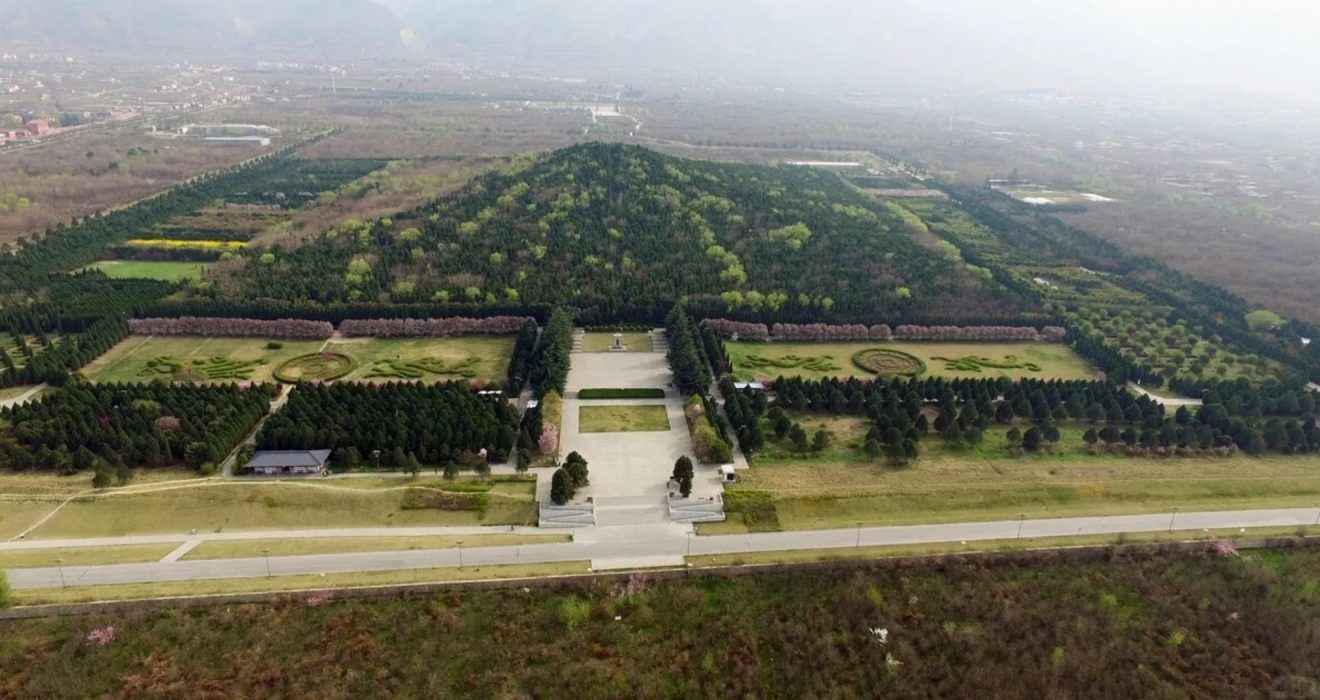
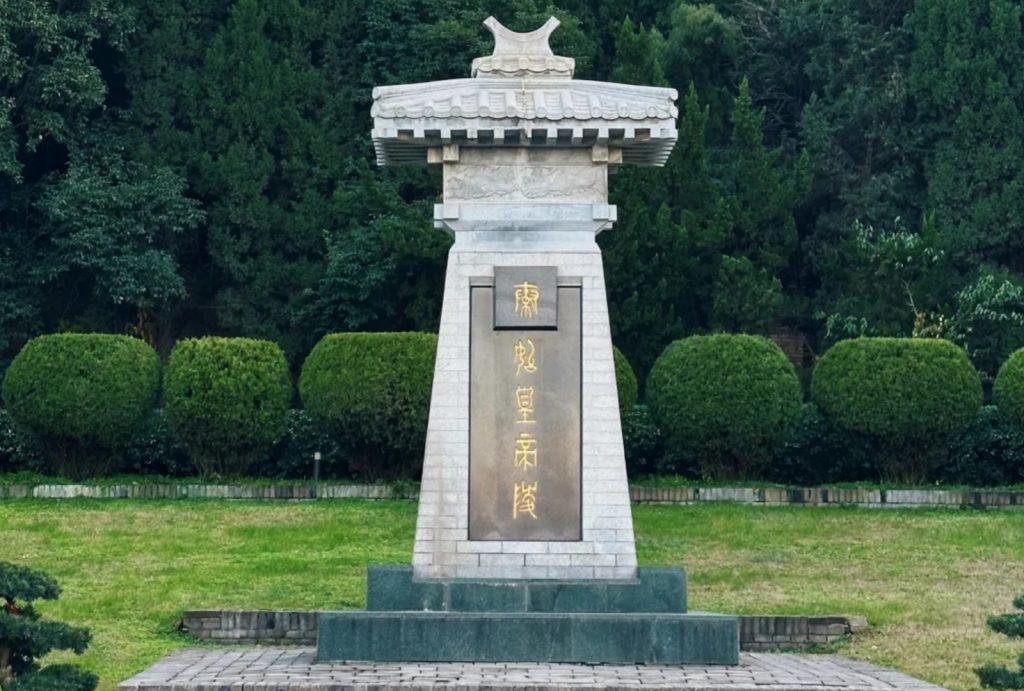
The actual burial chamber rests deep beneath a massive, man-made hill at the northern foot of Mount Li in Xi’an. Today, this specific site is open to visitors as Lishan Garden. While strolling through this quiet, tree-covered park, you are actually walking directly above millions of tons of compacted earth that hide a subterranean palace built for the Emperor’s afterlife.
What is Inside Qin Shi Huang’s Tomb?
Although the burial chamber of Qin Shi Huang has never been opened, historical records and archaeological research offer clues about what may lie inside. Much of what we know comes from ancient texts and modern scientific surveys of the tomb mound.
1. An Underground Palace
Ancient records by historian Sima Qian reveal the tomb is a massive underground palace. Packed with grand halls and corridors, it was meticulously built to recreate the Qin imperial court, ensuring the Emperor ruled with the same unmatched power and wealth in the afterlife.
2. Mercury Rivers and a Map of the Empire
One of the most famous descriptions in the historical text is the presence of flowing mercury rivers inside the tomb. Sima Qian wrote that mercury was used to represent the major rivers and seas of China, creating a symbolic map of the empire within the burial chamber. Modern soil tests around the tomb mound have detected unusually high mercury concentrations, lending some support to these ancient descriptions.
3. Astronomical Ceilings and Precious Treasures
Ancient texts describe a breathtaking chamber where the ceiling mimics the starry night sky and the floor maps the sprawling Qin empire. Between this heaven and earth, the Emperor rests surrounded by an unimaginable hoard of jade, gold, and bronze treasures, perfectly reflecting his supreme status as the unifier of China.
4. Hidden Traps to Protect the Tomb
Sima Qian also recorded that the tomb contained mechanical crossbows designed to shoot arrows at anyone attempting to break in. These traps were intended to protect the burial chamber from grave robbers.
Why Archaeologists Have Not Opened the Tomb?
Despite the extraordinary discoveries around the site, archaeologists have deliberately chosen not to excavate the central burial chamber.
Preservation Technology Is Not Yet Advanced Enough
One major reason is the difficulty of preserving ancient artifacts once they are exposed to air. When the Terracotta Warriors were first excavated, archaeologists found that their colorful pigments began to flake and disappear within minutes. This discovery revealed how fragile these materials are. Experts worry that opening the tomb too soon could cause irreversible damage to priceless historical relics.
Risk of Damaging Priceless Artifacts
Historical records suggest that the tomb may contain large quantities of organic materials, including textiles, wood, and lacquer objects. These materials can deteriorate extremely quickly when removed from their sealed underground environment. Without advanced conservation technology ready to preserve them immediately, excavating the tomb means permanently destroying the exact history archaeologists aim to study.
A Massive Toxic Mercury Hazard
Ancient historian Sima Qian recorded that the tomb contained flowing rivers of mercury. The modern soil tests have detected unusually high mercury levels around the mound. Opening the central chamber would therefore pose serious environmental and health risks, potentially releasing toxic mercury vapor that could endanger researchers and the surrounding environment.
Respect for Cultural Heritage
There is also an ethical dimension to the decision. Many scholars believe the tomb should remain sealed until it can be explored safely and responsibly.
China’s archaeological policy emphasizes preservation over rapid excavation, especially for sites of great historical importance. Since Qin Shi Huang’s tomb is well protected, experts prefer to wait for future technologies—such as advanced robotics—that may allow exploration without damaging its contents.