

Wheelchair Accessibility at the Terracotta Warriors Museum
Visiting the Terracotta Warriors Museum is a major cultural experience in China. For visitors with mobility needs, wheelchair accessibility at the Terracotta Warriors Museum should be carefully planned due to its large outdoor exhibition areas and walking distances.
This guide provides a detailed, practical overview of wheelchair accessibility, facilities, and on-site challenges to help visitors prepare realistically and navigate the museum with confidence.
Is the Terracotta Warriors Museum Wheelchair Accessible?
The museum is accessible for wheelchair users, especially in main exhibition areas and visitor facilities. However, because the site is large and partially outdoor, accessibility varies depending on location and crowd levels.
General Accessibility Conditions
Wheelchair access is generally available in key visitor zones such as ticketing areas, main exhibition halls, and viewing platforms. Some ramps and smoother pathways are installed to assist movement between key sections.
However, the site is not fully barrier-free. Visitors may encounter uneven stone surfaces, sloped paths, and outdoor walkways between buildings. Assistance from companions or staff can be helpful in certain areas.
Areas That May Be Challenging
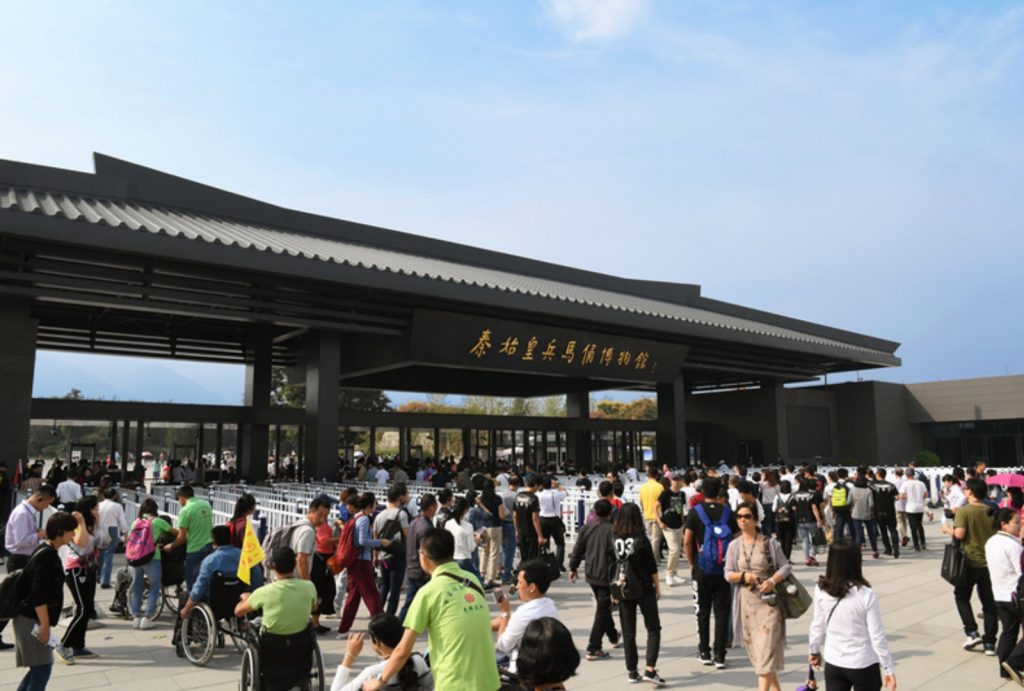
Wheelchair users may face difficulties in some parts of the museum, especially during peak travel seasons when crowd levels are high.
Common challenges include:
- Uneven outdoor flooring between exhibition halls
- Long distances between major pits and buildings
- Crowded viewing platforms during busy hours
- Limited resting areas in outdoor zones
Because of these conditions, it is recommended to plan extra time, move at a comfortable pace, and take regular breaks during the visit.
Accessibility at the Main Exhibition Pits
The museum’s main highlights—Pit 1, Pit 2, Pit 3, and the Exhibition Hall—each offer different accessibility conditions. Understanding their layout helps visitors plan an easier route.
Pit 1 Accessibility
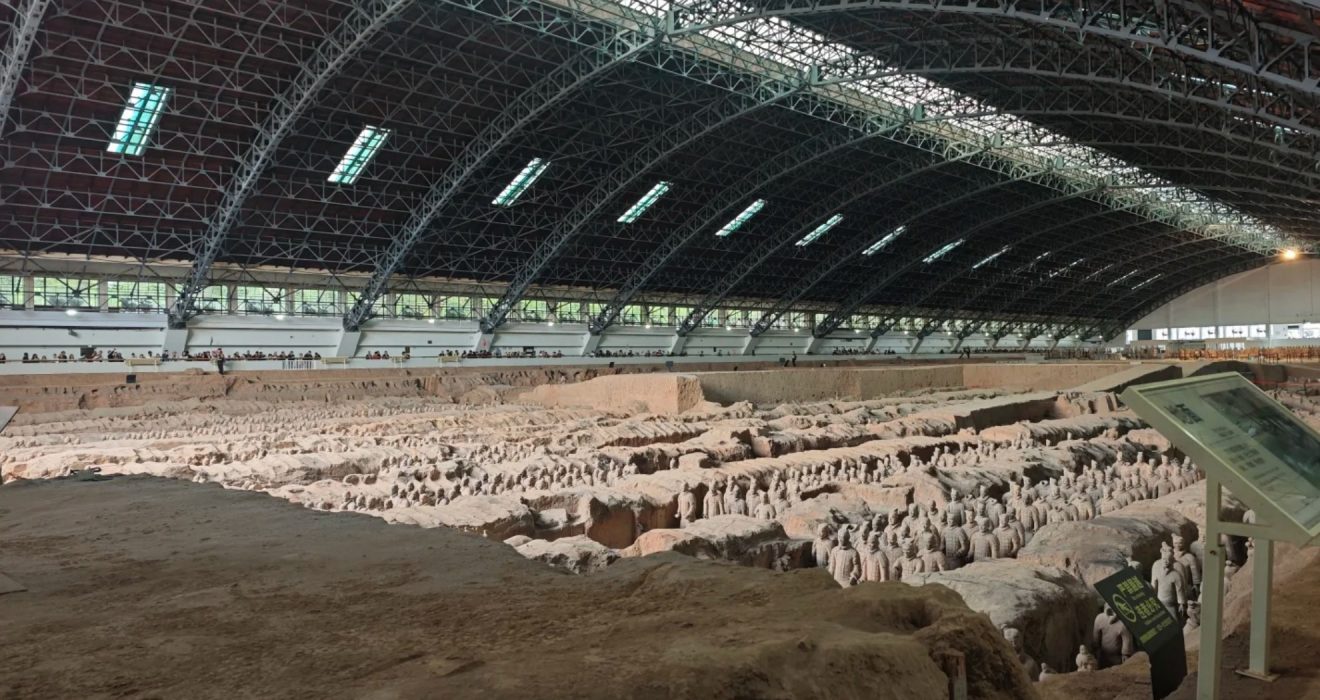
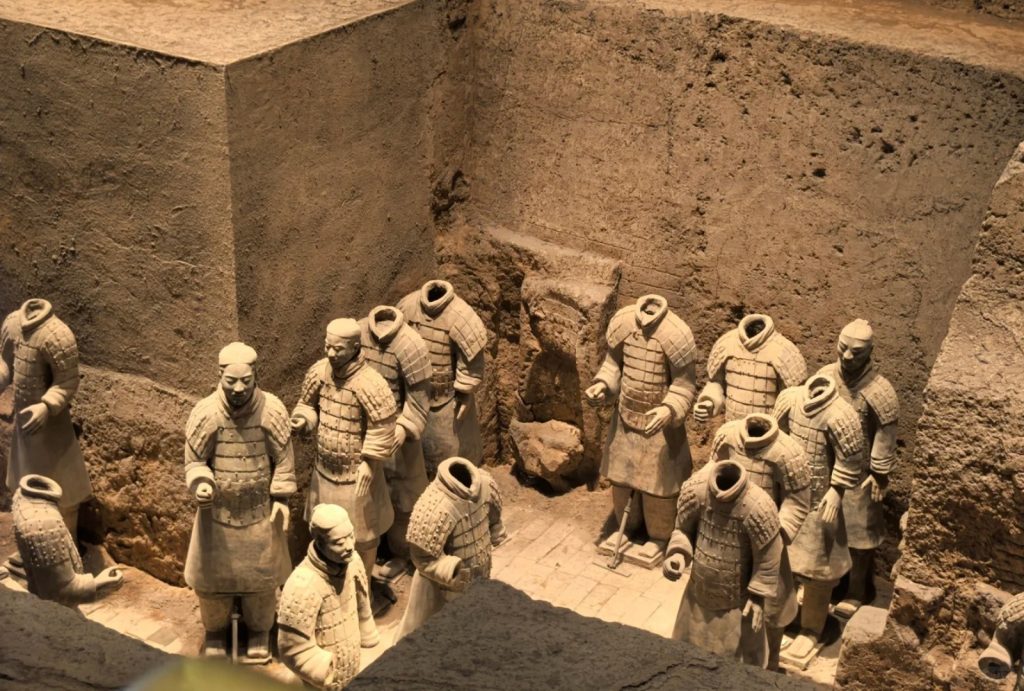
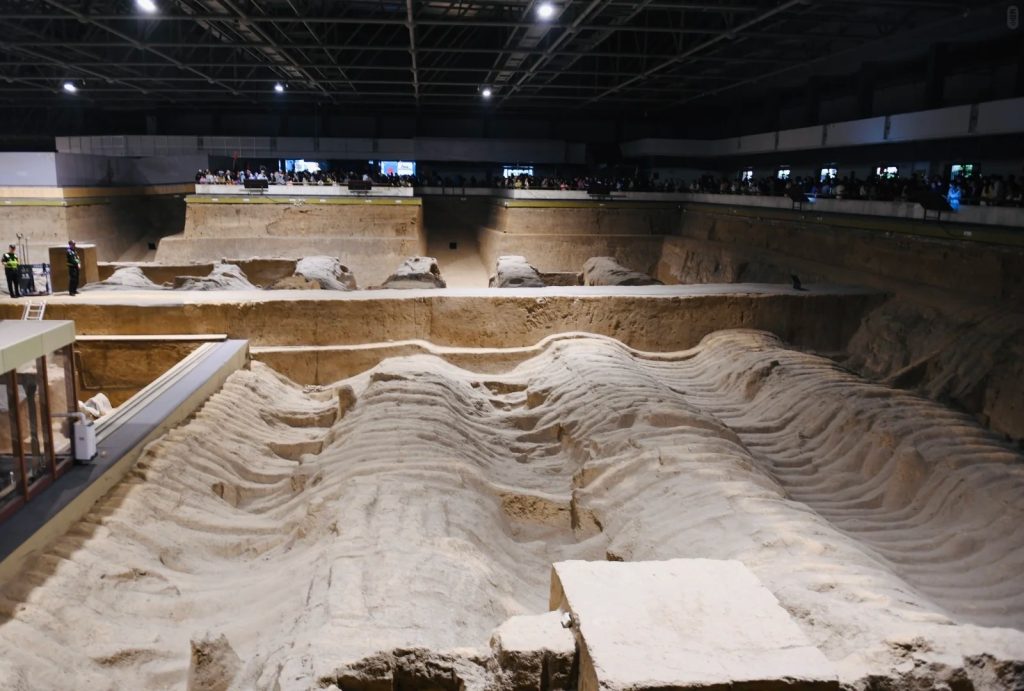
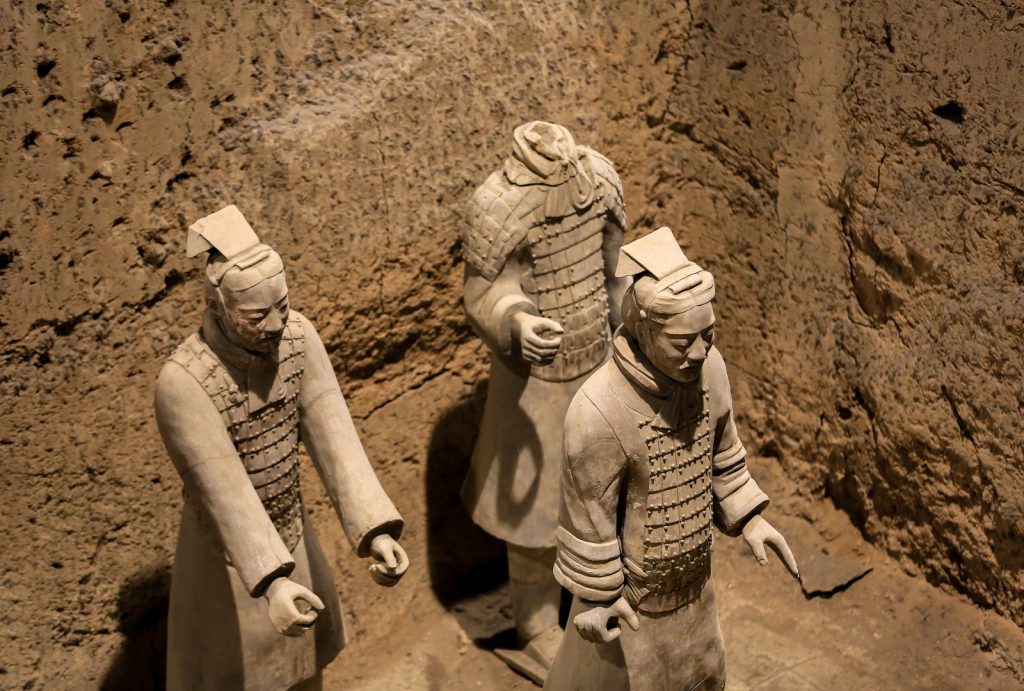
Pit 1 is the largest and most famous exhibition area, featuring rows of life-sized terracotta soldiers.
Wheelchair access is limited to the main front viewing platform, where visitors can view Pit 1 directly from the front of the excavation site. Side access is not possible, as there are approximately 30 steps on both sides, which restricts movement around the perimeter.
This area generally provides:
- Wide front viewing platform suitable for wheelchairs
- Clear frontal view of the main excavation pit
- Designated viewing space at the entrance platform during non-peak hours
However, crowd density can be very high during peak hours, which may further reduce visibility and comfort at the viewing area.
Pit 2 and Pit 3 Accessibility
Pit 2 and Pit 3 are smaller but often more crowded and complex in layout. However, both areas are fully barrier-free, with step-free access and accessible pathways designed to support visitors with mobility needs.
Key considerations include:
- Narrower walking paths in certain sections
- Reduced space for wheelchair maneuvering
- Limited viewing angles during peak times
Visiting these pits during off-peak hours can significantly improve accessibility.
Exhibition Hall Accessibility
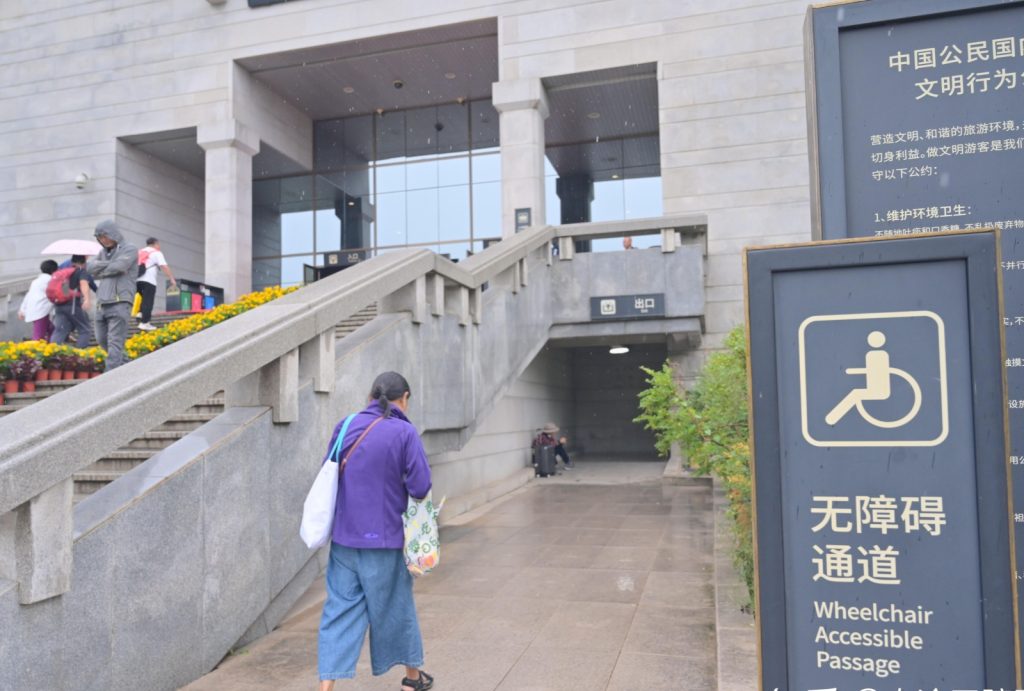
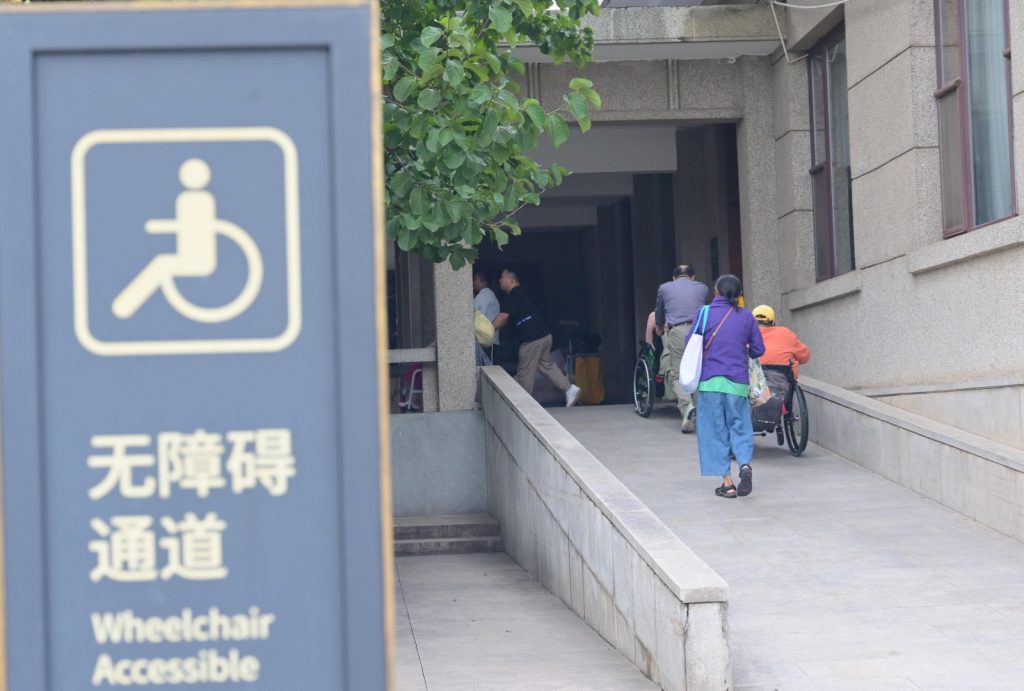
The Exhibition Hall provides a more accessible indoor environment than the excavation pits, with a barrier-free passage on the right side where visitors can take an elevator to the second floor for viewing.
Key features include:
- Mostly flat indoor flooring suitable for wheelchairs
- Clear navigation paths between display sections
- Exhibits such as artifacts, weapons, and historical models at viewing height
However, during peak visiting hours, the hall can still become crowded, which may reduce maneuvering space for wheelchair users. Early morning visits are generally more comfortable for exploring this section.
Walking Distances Between Sections
The museum complex is spread across a large area, and moving between pits requires outdoor travel.
Key considerations include:
- Moderate to long walking distances between halls
- Exposure to weather conditions outdoors
- Time spent navigating crowds
Planning extra time is important for a comfortable experience.
Wheelchair Rental and Visitor Facilities
Facilities at the museum can support visitors with mobility needs, including wheelchair rental services and accessible restrooms. However, availability can vary during busy travel periods, especially on holidays and weekends.
Are Wheelchairs Available on Site?
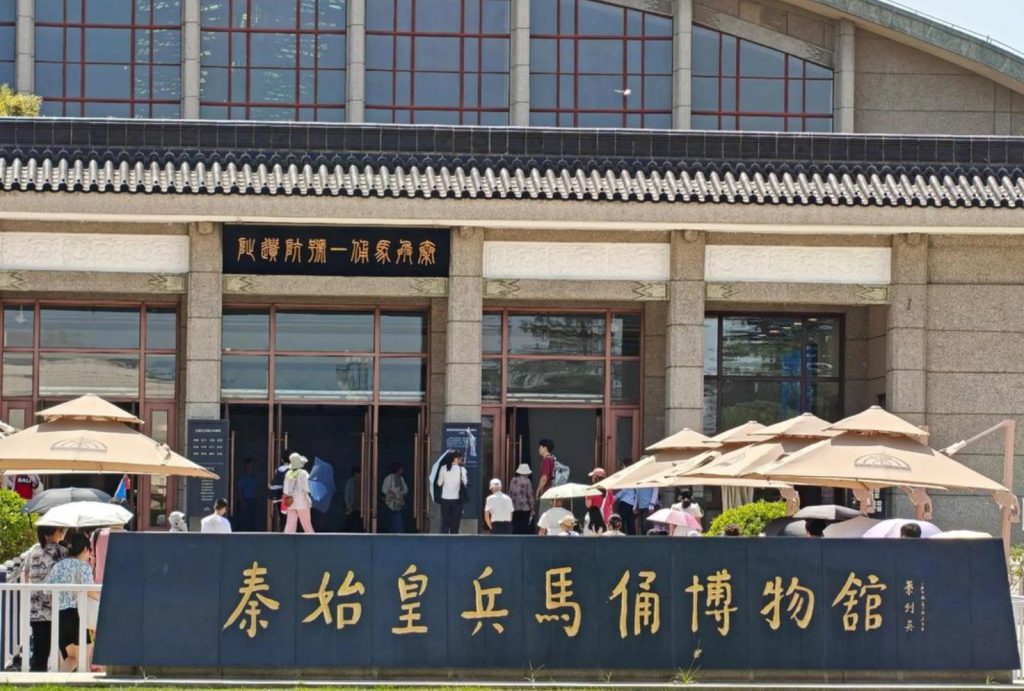
Wheelchairs can be rented at visitor service centers near the main entrance of the Terracotta Warriors Museum. This service is helpful for visitors who do not bring their own mobility equipment.
Important details:
- Wheelchair availability may be limited during peak seasons
- A passport or refundable deposit may be required for rental
- Arriving earlier in the day usually improves availability
Staff at the main entrance can provide assistance with rental procedures.
Accessible Restrooms and Facilities
Basic accessible facilities are available in several main visitor areas throughout the museum complex.
Facilities include:
- Barrier-free restrooms near entrance and exhibition areas
- Rest areas inside visitor service centers
- Limited seating in some indoor exhibition halls
However, seating is not evenly distributed across the entire site, so planning breaks is recommended.
Transportation Tips for Visitors With Mobility Issues
Transportation plays a major role in ensuring a smooth visit, especially for wheelchair users.
Getting to the Museum from Xi’an
The most convenient transport option is usually taxi or ride-hailing services, which allow direct access to the museum entrance.
Public transport is available but may involve:
- Transfers between stops
- Walking from bus stations to entrances
- Less convenient access for wheelchairs
Private transport is generally recommended for ease and flexibility.
Entrance Drop-Off Points
Vehicles can typically drop passengers closer to the main entrance area, reducing walking distance. However, security checkpoints still require short transfers to the ticketing and entry zones.
To improve convenience:
- Request “main entrance drop-off” when booking transport
- Save the destination name in Chinese for drivers
- Allow extra time for security and ticket checks
Even with close drop-off points, some walking is still required to reach exhibition zones.
Best Time to Visit for Easier Accessibility
Choosing the right time to visit the Terracotta Warriors Museum can significantly improve accessibility and comfort.
Avoiding Crowds
Crowd levels directly affect mobility and ease of movement inside the museum.
Best times include:
- Weekday mornings
- Non-holiday travel periods
- Off-peak travel seasons (late autumn or early spring)
Avoiding large domestic holiday periods significantly improves mobility inside the museum.
Weather Considerations
Weather also affects accessibility, especially for outdoor sections.
Key conditions to consider:
- Summer: high heat can make outdoor walking tiring
- Winter: cold temperatures may affect outdoor waiting times
- Rainy days: surfaces may become slippery in outdoor areas
Choosing mild weather conditions improves comfort and safety.
Practical Tips for Wheelchair Users
Preparation can make a significant difference in overall comfort and accessibility.
What to Bring
Visitors with mobility needs should consider carrying:
- Lightweight wheelchair or mobility aid ((if not renting on-site))
- Cushion for extended viewing periods
- Water and light snacks
- Sun protection (hat, sunscreen, sunglasses)
- Power bank for mobile devices
These items help reduce fatigue during long visits.
Communication and Assistance
Language barriers may exist, but assistance is generally available when requested.
Helpful strategies include:
- Using translation apps for communication
- Showing written Chinese phrases for directions
- Asking staff at visitor service desks for help
Staff are generally willing to help with directions and accessibility guidance when asked.
Hidden Challenges Visitors Should Know
While the museum is accessible in many ways, certain challenges may not be immediately obvious.
Limited Seating in Key Areas
Seating is not evenly distributed throughout the museum. Visitors may find:
- Few benches near viewing platforms
- Limited rest areas inside crowded exhibition zones
Slopes and Outdoor Terrain
Some connecting pathways include:
- Gentle slopes
- Uneven stone paths
- Outdoor transitions between exhibition halls
These may require extra attention for wheelchair navigation.
Crowded Viewing Areas
Pit 1 and major exhibition zones can become extremely crowded, especially during peak hours, reducing available space for wheelchair movement.
Security and Entry Procedures
Visitors should also expect:
- Security screening at entry
- Ticket verification queues
- Occasional waiting during busy periods
Allowing extra time helps reduce stress during entry.
Wheelchair accessibility at the Terracotta Warriors Museum is functional but not fully barrier-free. While major exhibition areas are accessible, outdoor terrain, crowds, and long walking distances require careful planning.
With proper preparation—choosing off-peak times, arranging transport in advance, and understanding the site layout—visitors with mobility needs can still experience one of China’s most important archaeological sites in a safe and manageable way.