


What are the Terracotta Army Weapons like Today?
The Terracotta Army pits hold more than just thousands of clay statues—they hide over 40,000 ancient bronze weapons. But the real surprise part isn’t the sheer number of weapons, it’s their incredible condition. After being buried in the damp soil for over 2,200 years, many of them are perfectly preserved. This guide will uncover the real science and how you can see them today.
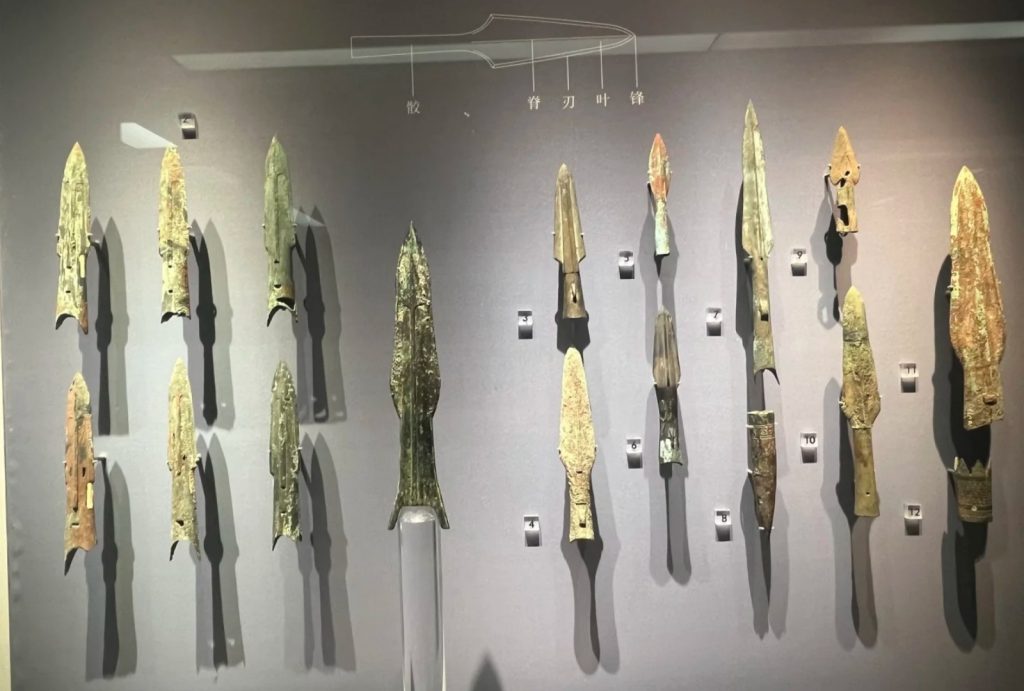
What Weapons Were Found in the Terracotta Army?
The weapons found with the Terracotta Army represent a diverse and highly effective arsenal. Each type of weapon served a specific purpose, contributing to the overall tactical superiority of the Qin military.
- Bronze Swords: Measuring an unprecedented 80 to 90 centimeters, these remarkably long swords gave Qin soldiers a deadly reach advantage and were expertly crafted to remain razor-sharp without snapping.
- Spears and Lances: Serving as the main weapons to stop enemy charges, only the lethal bronze heads of these polearms survive today, as their original wooden shafts rotted away centuries ago.
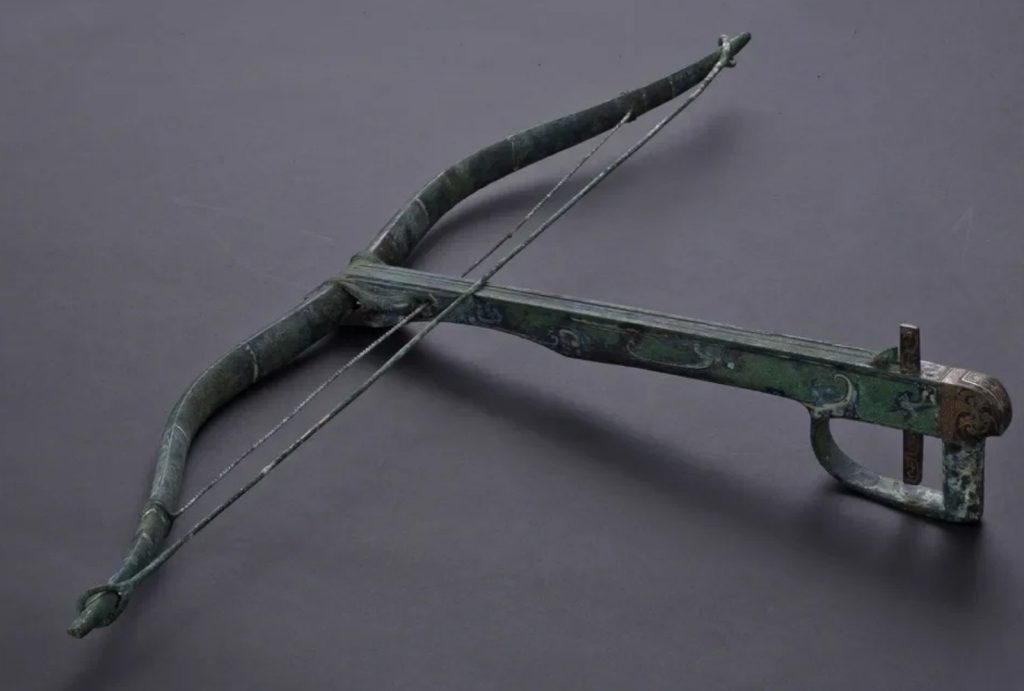
- Crossbows and Arrowheads: Making up the vast majority of the excavated weapons, these featured highly advanced, interchangeable bronze triggers and deadly arrowheads perfectly bundled in sets of a hundred.
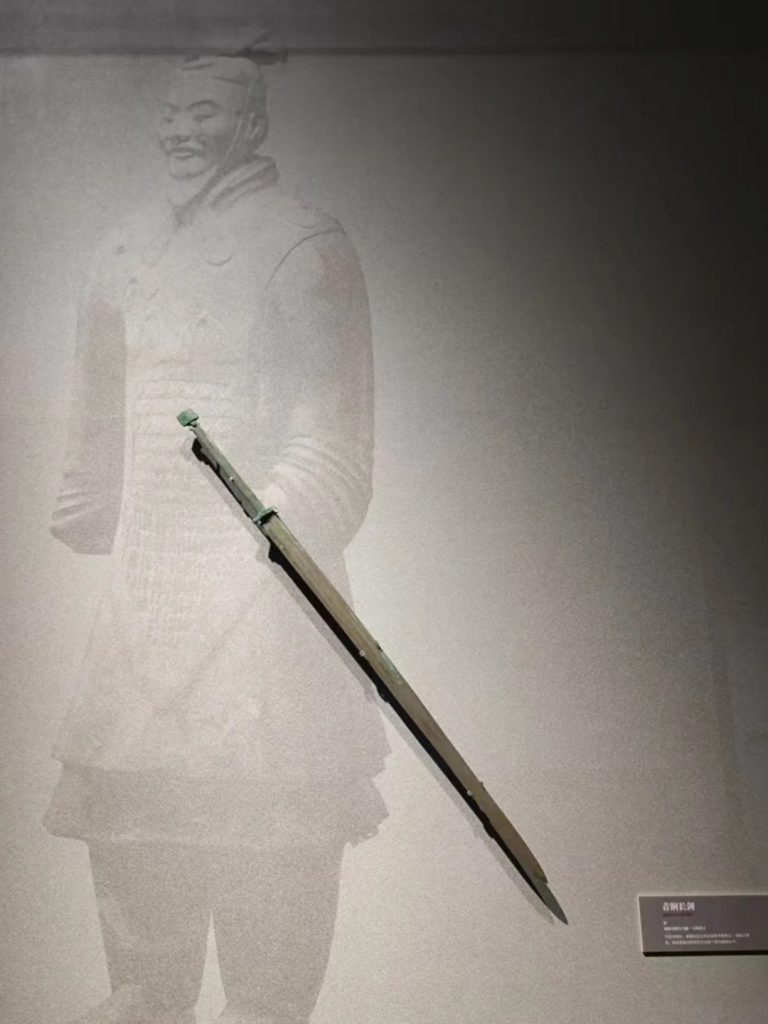
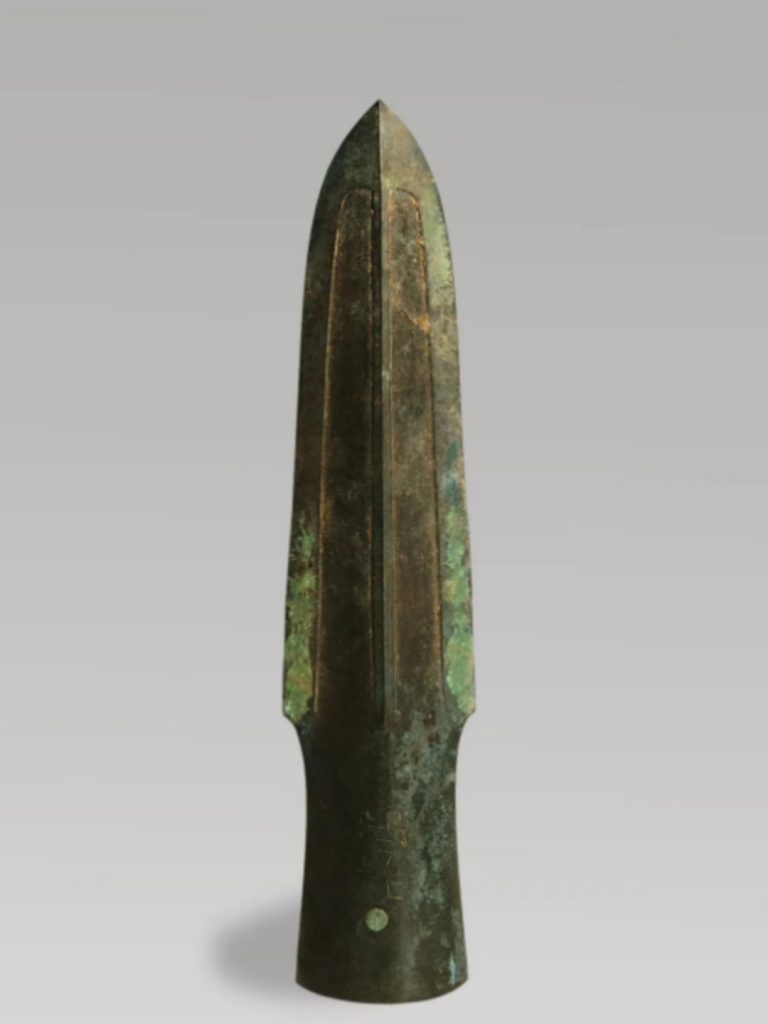
What Do Terracotta Army Weapons Look Like Today?
Although these bronze weapons do exhibit some localized oxidation (a greenish patina typical of aged bronze), their overall structural integrity is immaculate. The surfaces are smooth, the contours are sharp, and the complex mechanical interlocking parts of the crossbow triggers still fit perfectly together.
However, it is important to note that you are only looking at the metallic remains. All organic materials attached to the weapons—such as wooden handles, bamboo shafts, leather straps, and silk tassels—have decomposed completely.
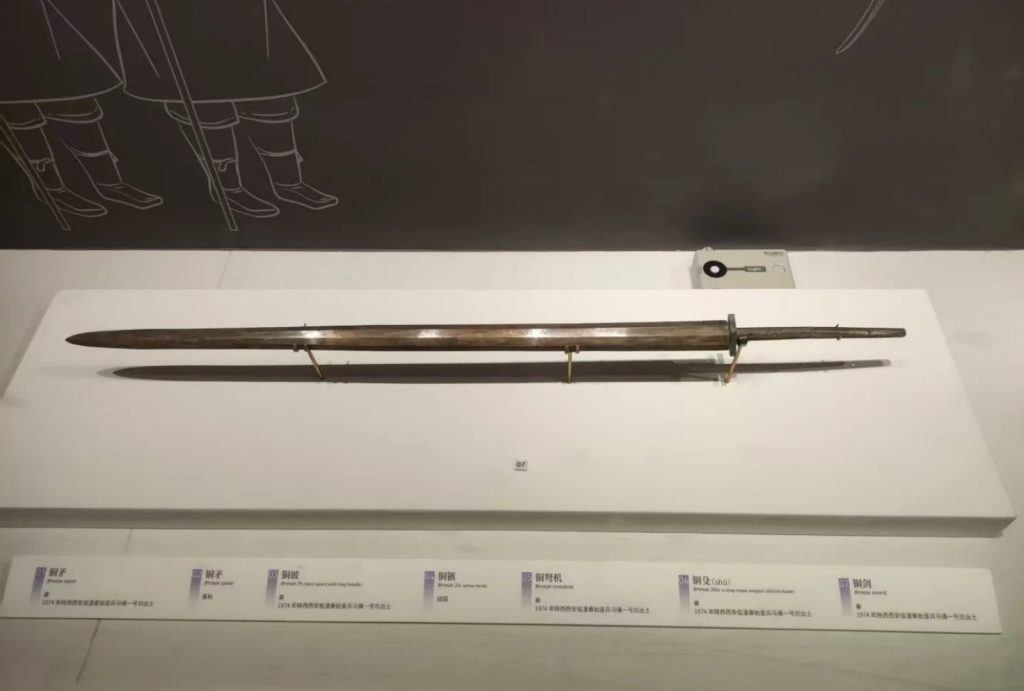
Why Are the Bronze Weapons So Well Preserved?
For decades, the remarkable preservation of bronze weapons unearthed from the Terracotta Army pits has puzzled scientists. Recent research indicates that their survival is primarily attributed to favorable soil conditions and the Qin Dynasty’s advanced bronze casting techniques.
1. The Unique Xi’an Soil:
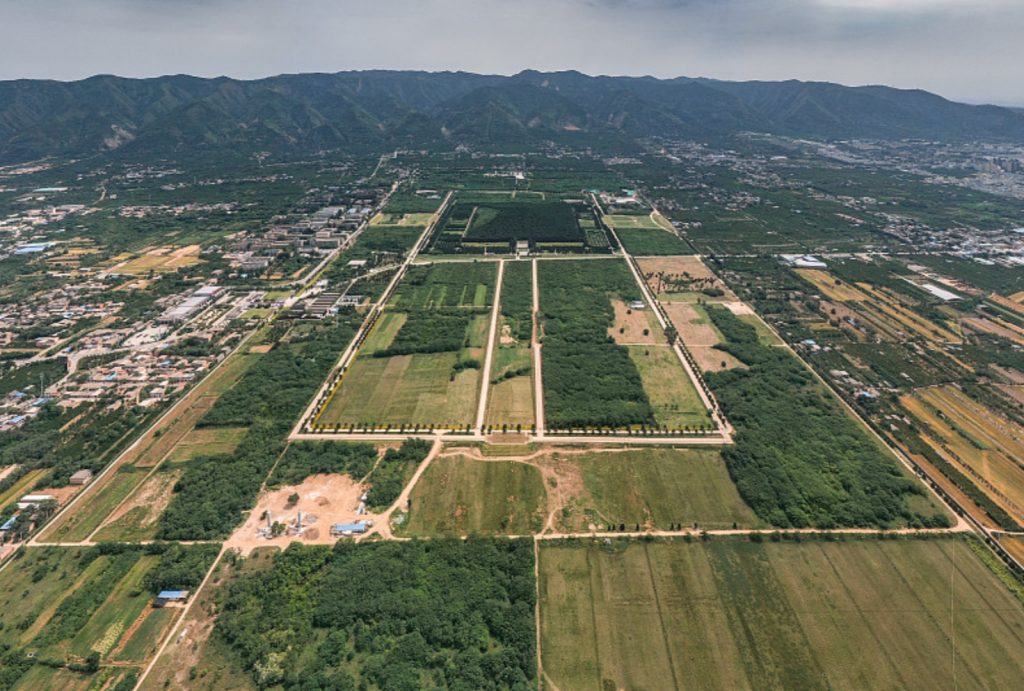
The primary hero of preservation is the dirt itself. Xi’an is situated on the Loess Plateau. The dirt covering the Terracotta Army is a very fine, densely packed loess. When the ancient burial pits collapsed, this slightly alkaline soil created a natural, airtight seal around the weapons, blocking out the oxygen and moisture needed for rust to form.
2. The “Chromium” Lacquer Accident:
For decades, a famous myth claimed the Qin had invented an advanced chromium anti-rust coating. However, a landmark 2019 study by researchers from the University of Cambridge and UCL definitively debunked this. The traces of chromium actually came from the lacquer painted on the wooden handles and scabbards. As the wood rotted away, the chemicals from the lacquer simply leached onto the bronze, it unexpectedly served a protective function.
3. High Tin Content:
Qin Dynasty weapon-makers used bronze with a high amount of tin. Over time, this extra tin formed a natural, protective shield on the weapons, stopping corrosion in its tracks and proving just how advanced ancient Chinese engineering really was.
Where to See the Real Terracotta Army Weapons in Museum?
For preservation and security, the original weapons are no longer kept in the hands of the clay warriors in the main excavation pits. To see these marvels of ancient metallurgy, you must visit the dedicated exhibition halls within the Emperor’s Mausoleum Site Museum.
1. The Exhibition Hall of Historical Relics
- Location: To the right side of the main entrance plaza, near the museum exit.
- What to see: This is where the finest examples are kept in climate-controlled glass cases. You can see the legendary bronze swords up close. Look at the edges—you can still see the original grinding marks from the ancient whetstones.
2. The Bronze Chariot Museum (Lishan Garden)
- Location: Take the free shuttle bus to the Lishan Garden.
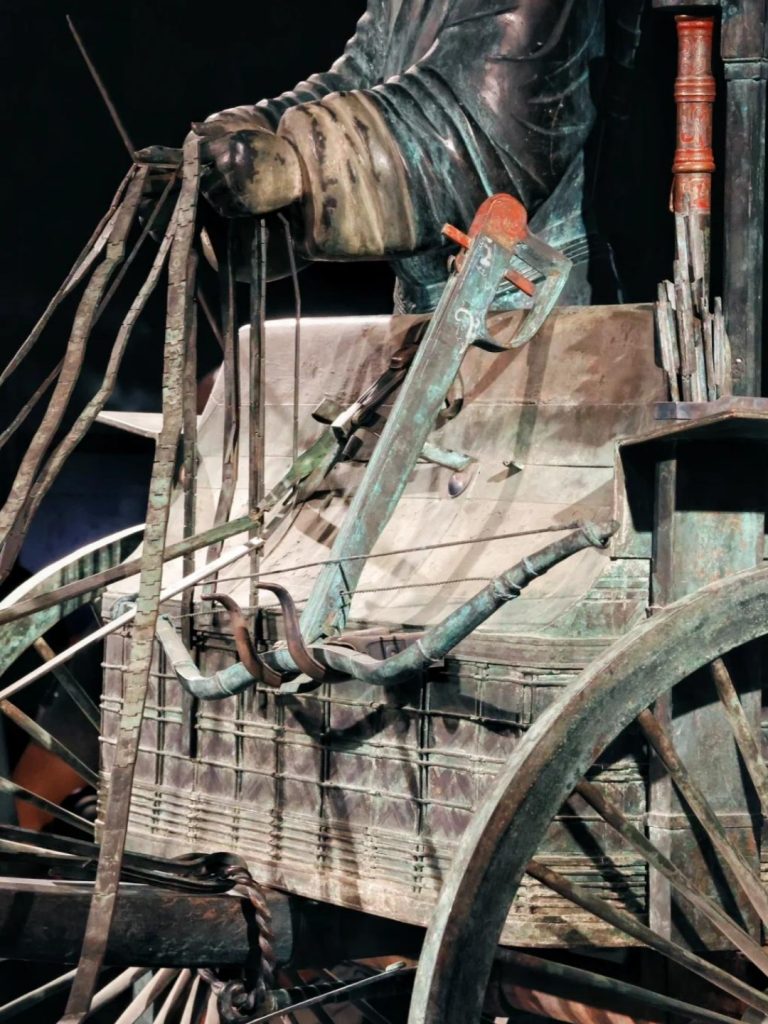
- What to see: The two bronze chariots are equipped with scaled-down, but perfectly accurate, bronze shields, crossbows, and arrows. It provides a perfect visual of how the weapons were mounted and carried in battle.

The weapons of the Terracotta Army are more than just ancient relics; they are proof of the Qin Dynasty’s military genius. Even without the legend of “chrome plating,” the perfect combination of advanced bronze alloys and unique soil conditions is astonishing. Seeing these brilliantly preserved artifacts in person is the ultimate way to connect ancient history with modern science.