
Is the Terracotta Warriors Museum Crowded During Chinese Holidays?
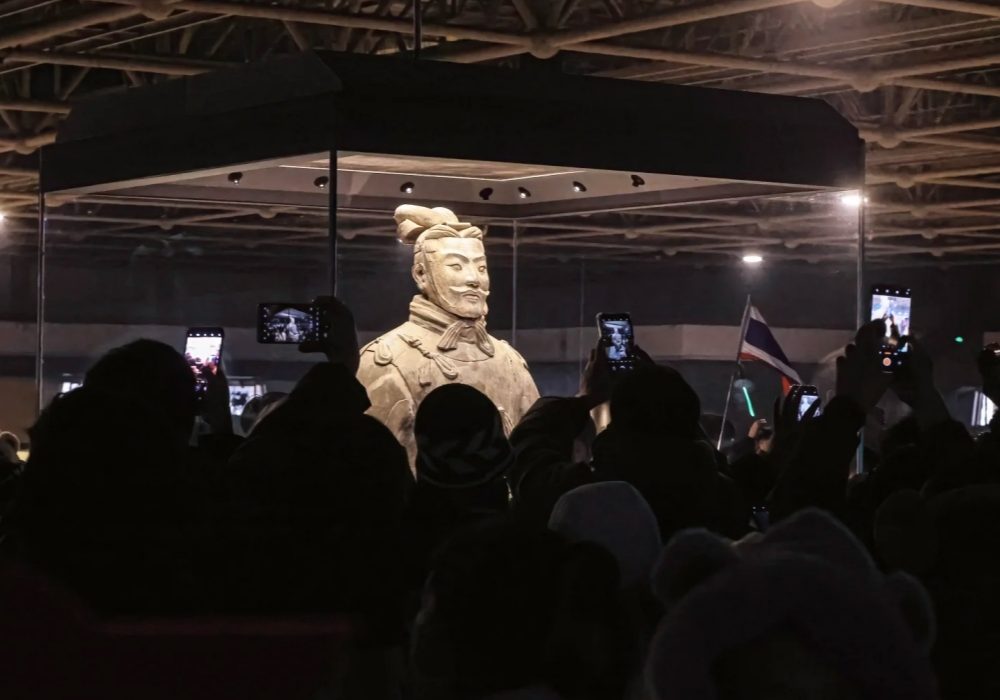
Yes, absolutely. During Chinese public holidays, Terracotta Warriors Museum is exceptionally crowded. It operates at absolute maximum capacity, meaning the daily ticket quota often sells out weeks in advance. Beyond just securing a ticket, you must be prepared for massive crowds and long, slow-moving queues at every step. However, with proper planning and realistic expectations, you can still enjoy an awe-inspiring experience.
What Does the Crowd Look Like During Holiday?
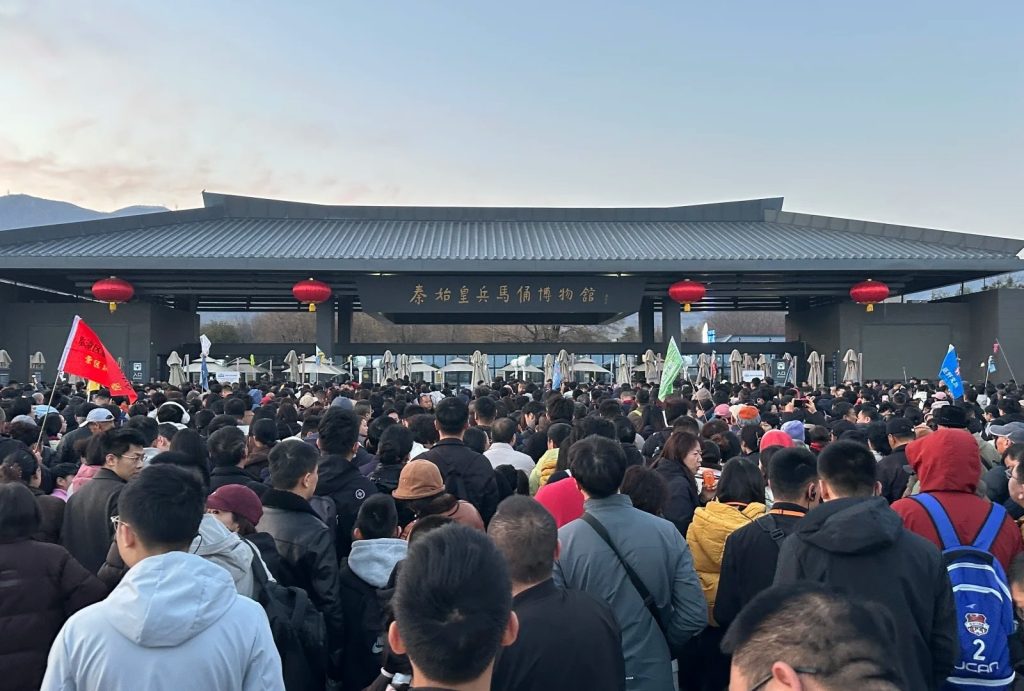
If you visit during a Chinese holiday, be prepared to be shoulder-to-shoulder with thousands of other travelers. During major Chinese holidays, Terracotta Army can reach its daily visitor limit of around 65,000 people. Expect long lines, packed viewing areas, and heavy noise levels, especially between 10:00 AM and 3:00 PM.
Inside Pit 1: The Most Crowded Area
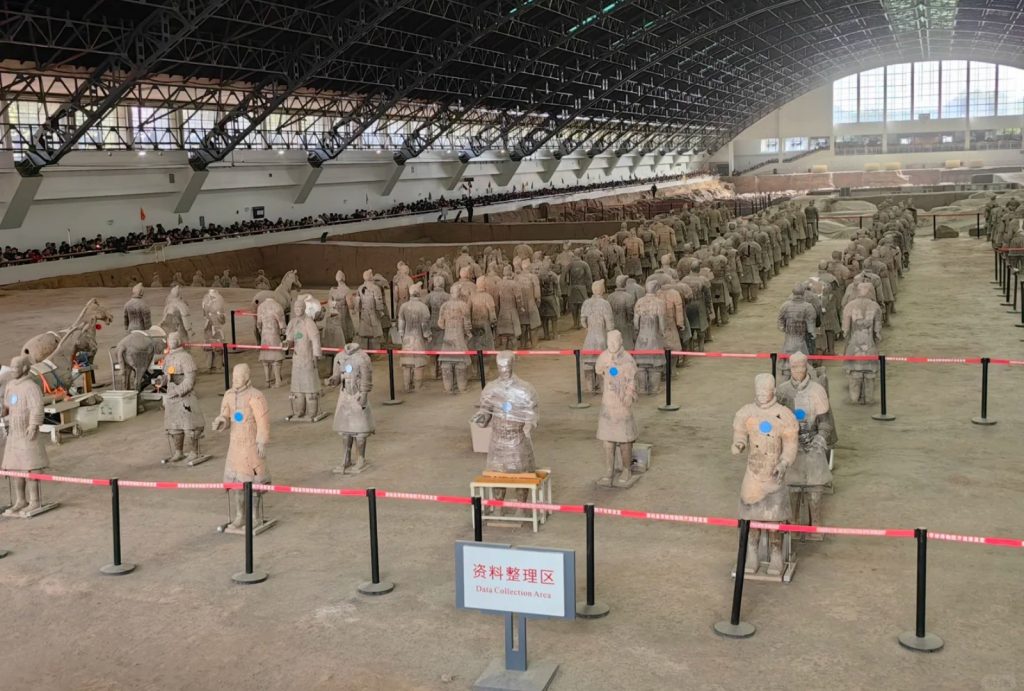
Pit 1 (The Main Pit): This is the largest and most impressive excavation site, but it is also the most congested. During holidays, visitors are packed shoulder-to-shoulder around the viewing railings. You will likely need to patiently wait in line behind several rows of people just to get to the front for a clear photo.
Long Lines and Waiting Times
Long cues at entry of ladies’s restrooms and shuttle buses, and even the “10-minute” taxi ride from the metro station can take much longer due to local traffic.
Photography Challenges
Getting a “clean” photo of the warriors without other tourists in the frame becomes nearly impossible during peak hours.
Noise and Atmosphere
The atmosphere is highly energetic but very loud, filled with the chatter of thousands of tourists and the overlapping voices of tour guides using portable loudspeakers.

Essential Tips for Visiting the Terracotta Warriors During Holiday
If your itinerary only allows you to visit during a major holiday, you must abandon the idea of a casual, spontaneous trip. Here is how you survive and conquer the museum:
Tip 1: Timing is Everything (Avoid the Midday Rush)
- The Early Bird Strategy: Arrive before the gates open (usually 8:30 AM). Head straight to the back of Pit 1 first, or visit Pit 2 and Pit 3 before the massive crowds catch up. If you are fast enough, you can see the warriors clearly before the massive tour buses from the city arrive.
- The Late Afternoon Strategy: Arriving after 4:00 PM is another tactic. Many large tour groups leave by this time, offering a slightly more breathable atmosphere before the museum closes. The museum’s last entry time is 5:00 PM during peak season, but the site itself does not close until 7:00 PM.
Tip 2: Book Tickets Exactly 7 Days in Advance
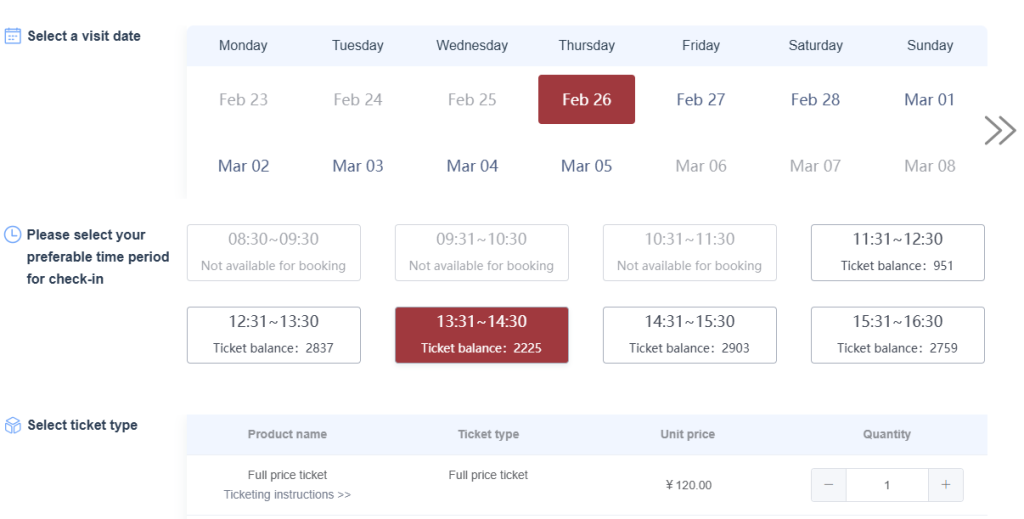
You cannot buy tickets at the door during holidays. Tickets are released online exactly 7 days in advance. You must have your passport ready to book, as the museum uses a strict real-name ticketing system.
It is strongly recommended to book your tickets as early as possible once they become available online. During peak periods such as Spring Festival Holiday and the October Golden Week, tickets often sell out within hours after release.
Tip 3: Stay Alert for Souvenir Scams
Large crowds make the commercial exit and parking lots prime targets for vendors selling fake “signed” books and low-quality jade. Do not engage. Stay focused, guard your valuables, and keep moving until you reach your transport.
Tip 4: Consider Using a Trusted Travel Service
Navigating holiday crowds and decoding ancient history alone can be overwhelming. An expert, English-speaking guide is your strategic advantage—they know the quietest paths, the best photo angles, and exactly how to maneuver through the chaos to maximize your time.
Even shoulder-to-shoulder with thousands of other travelers, coming face-to-face with Qin Shi Huang’s 2,000-year-old underground army is a once-in-a-lifetime experience. The key is simply to arrive prepared. By understanding the facts of holiday crowding and employing these strategies, you can ensure your encounter with Emperor Qin Shi Huang‘s magnificent army is as awe-inspiring as it deserves to be.